Research summary
I study how organisms adapt to their environment by examining the ecological, demographic, and genetic factors that shape social and life-history traits. My research integrates biological insights with theoretical modelling. Using a diverse range of modelling approaches, including kin selection, game theory, population genetics, and individual-based simulations, I explore the underlying principles that drive adaptive evolution across species and ecological communities. My research involves designing both general models that identify fundamental selection pressures operating in populations and tailored models to study specific biological systems. My work spans a broad range of taxonomic groups, from viruses and bacteria to fungi, insects, birds, and mammals. I aim to develop a comprehensive understanding of how adaptive evolution operates across different levels of biological organisation and how organisms respond to environmental variation.
Research themes
We work on a wide range of themes within social evolution and behavioral ecology.
Projects
Some of our ongoing projects includes the study of cooperative breeding, dispersal and the evolution of intergroup cooperation and intergroup conflict.
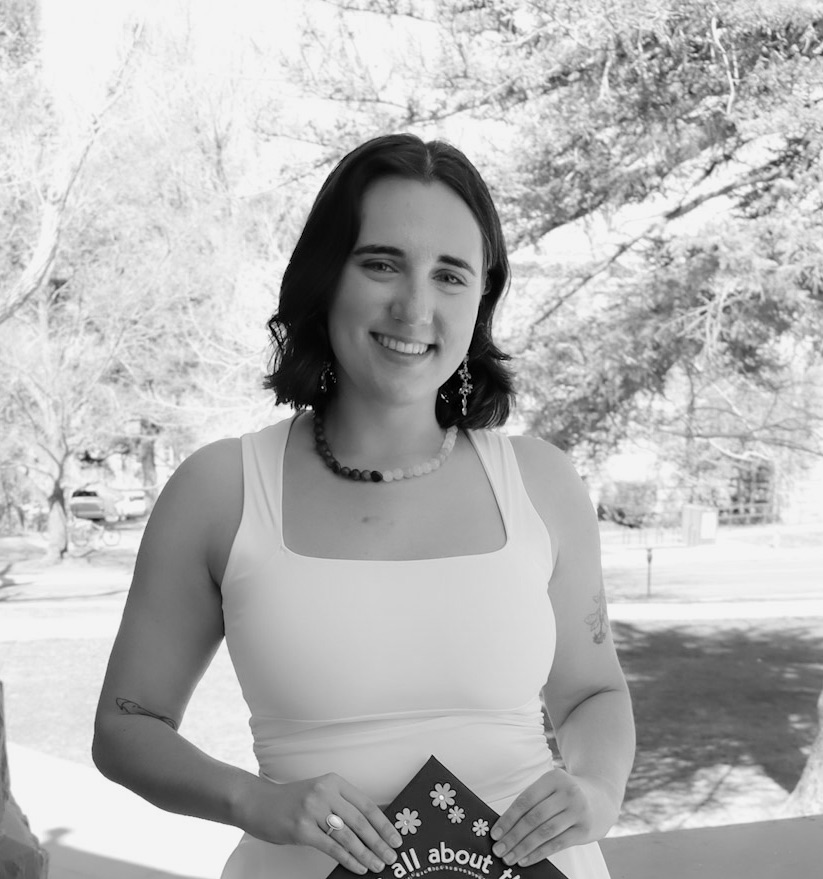
Group members



Courses and prospective students
Fall 2026
Evolutionary Ecology and Social Behavior
ECCB 689 Special Topics in · Tuesdays & Thursdays, 1:15–2:30 PM · WFES 406 · 3 Credit Hours
Why do animals sacrifice themselves for others? What drives microbial warfare? What determines how harmful a parasite becomes? Why do organisms age?
An integrative treatment of modern evolutionary biology, built around primary literature and and combines general theory and foundational concepts with hands-on mathematical modelling. Topics span the tree of life, from microbes and social insects to birds and mammals. Open to graduate students from all departments. Prerequisites: Graduate classification or permission of instructor